Explore Hydronet articles, media features, project updates, and field photos from across Maryland’s coastal monitoring network!
Featured Articles
-
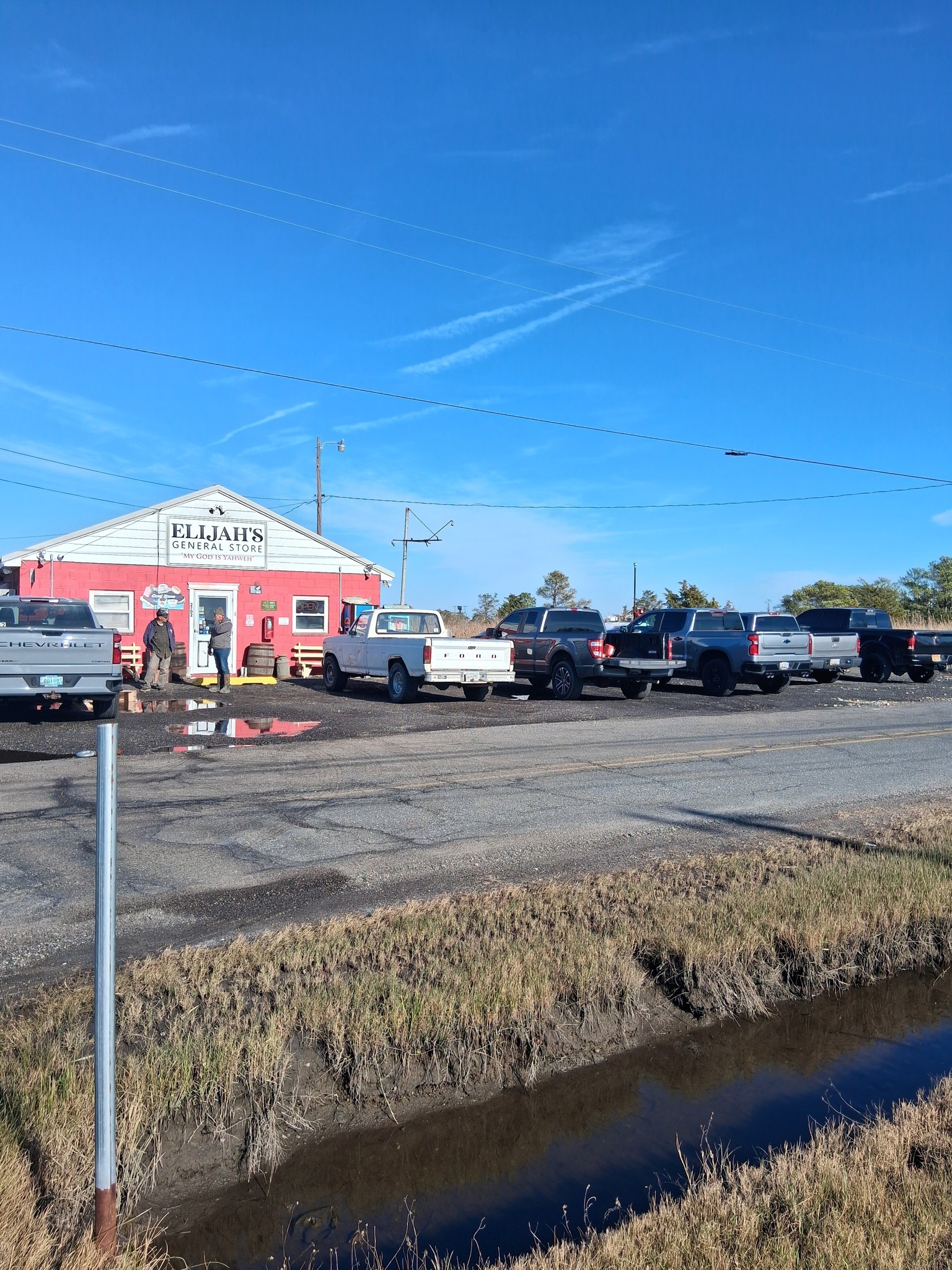
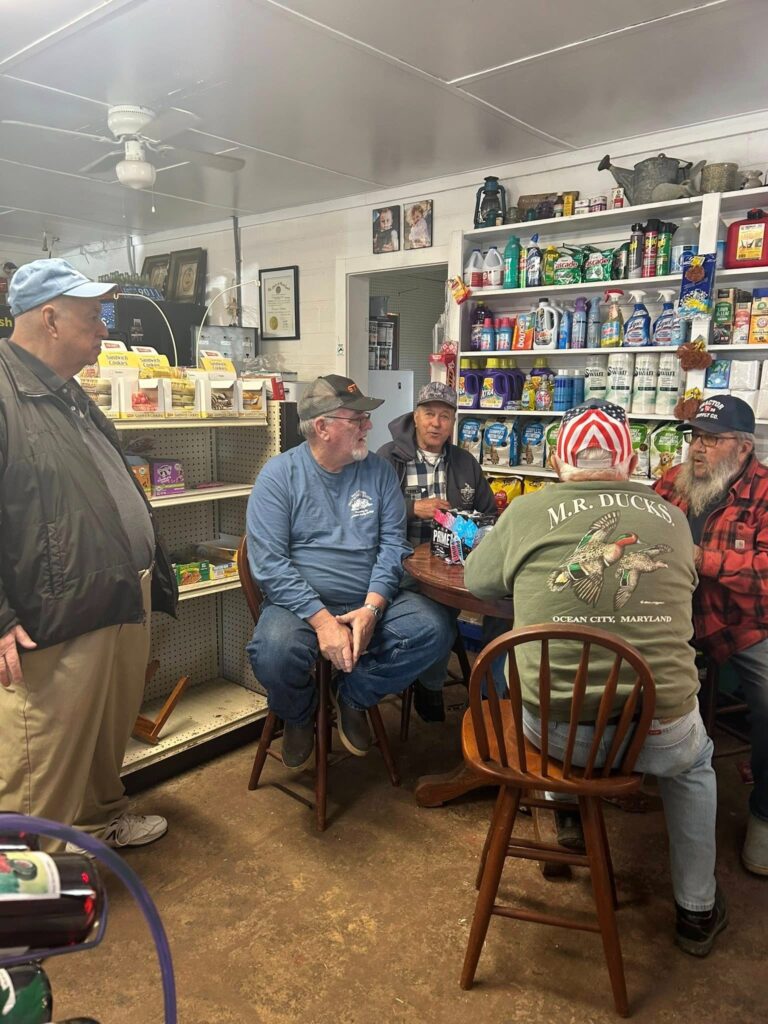
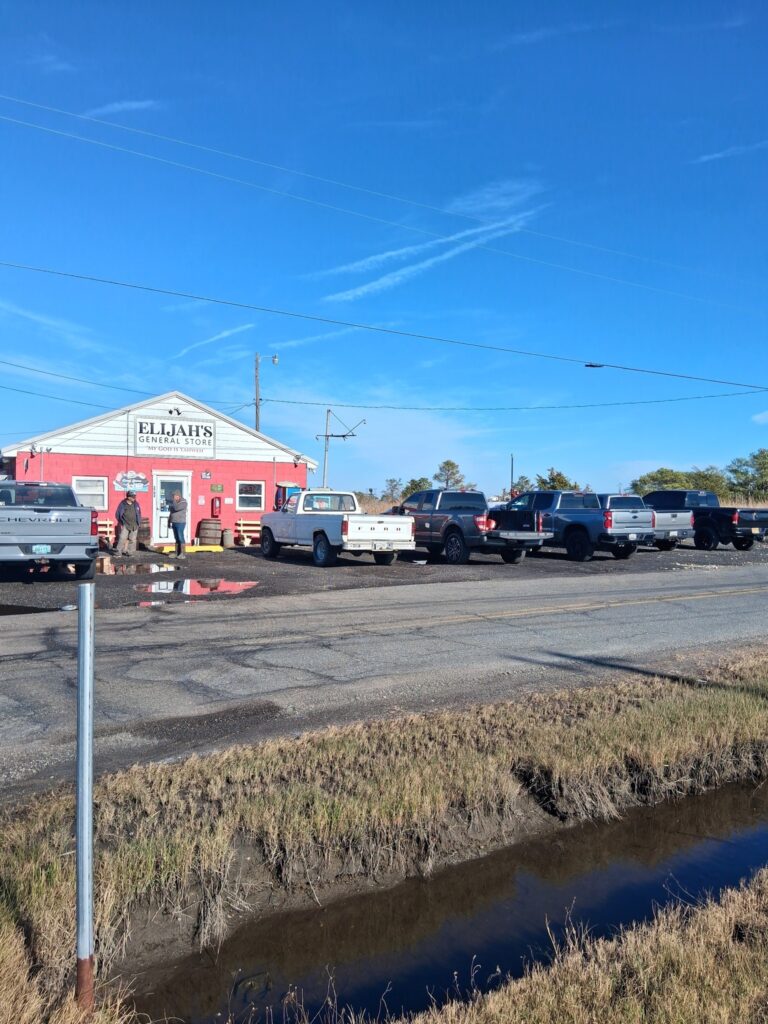
Toddville – A Place the Water Cannot Wash Away
Read more: Toddville – A Place the Water Cannot Wash AwayAs we turned out of Cambridge and continued south towards the unincorporated community of Toddville, the landscape slowly began to change. Strip malls and traffic lights disappeared behind us, replaced by narrow roads cutting through marshland and open water. Driving through the remote, low-lying waterways surrounding the Blackwater National Wildlife Refuge, I was struck by…
-

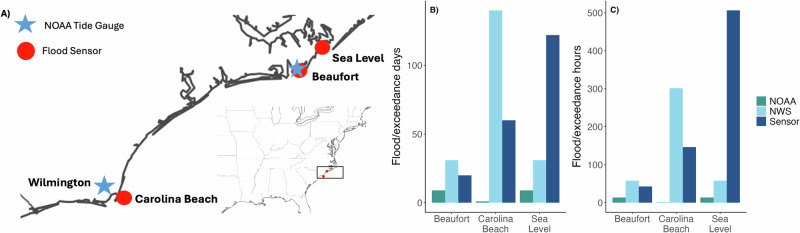
Monitoring Tidal Flooding in the Chesapeake Bay Using Distributed Water Level Sensors
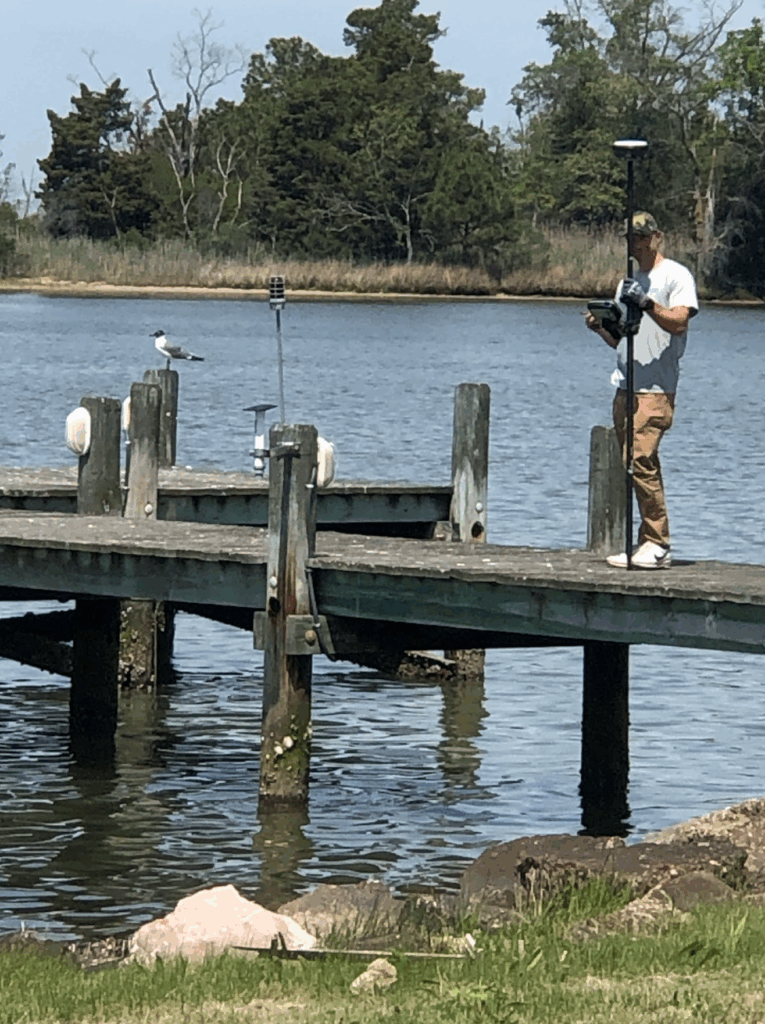
Read more: Monitoring Tidal Flooding in the Chesapeake Bay Using Distributed Water Level SensorsAbstract Tidal flooding is becoming more common in many Chesapeake Bay communities as sea level continues to rise and storm patterns change. Most coastal water-level measurements come from NOAA tide gauges, but these gauges are often spaced far apart. They may not capture flooding at a more local scale in smaller tributaries or neighborhoods. Because…
-
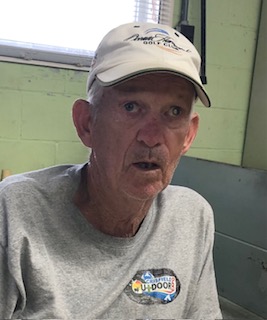
Paul Emely: Crisfield Through His Eyes
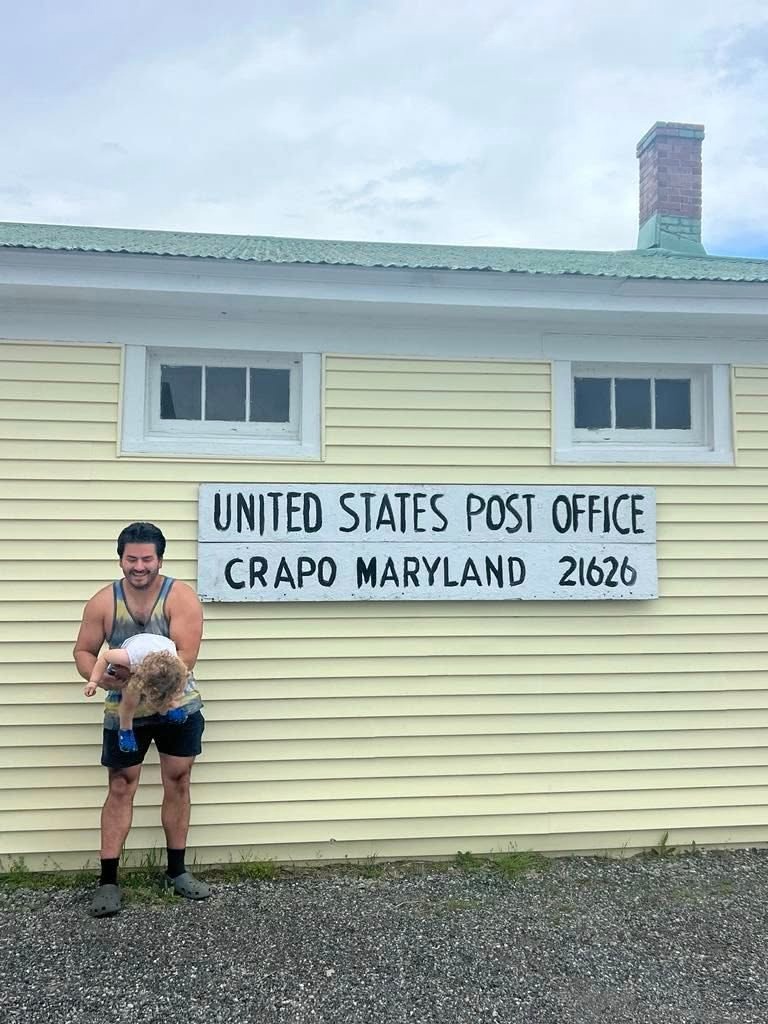
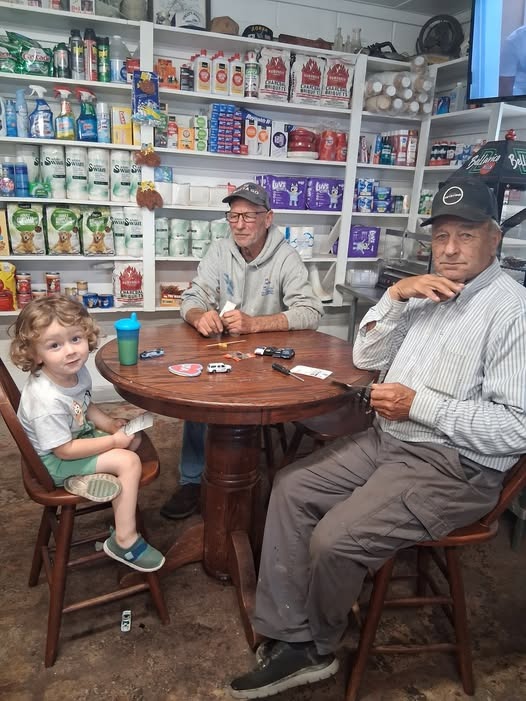
Read more: Paul Emely: Crisfield Through His EyesPaul Emely has lived in Crisfield, Maryland, his entire life. He’s gone to school, raised a family, held a job, and retired locally to the area. Paul has cherished the many local gems, agriculture, history, and the various characteristics that make Crisfield so special. However, throughout his time in Crisfield, he has witnessed significant changes…
-
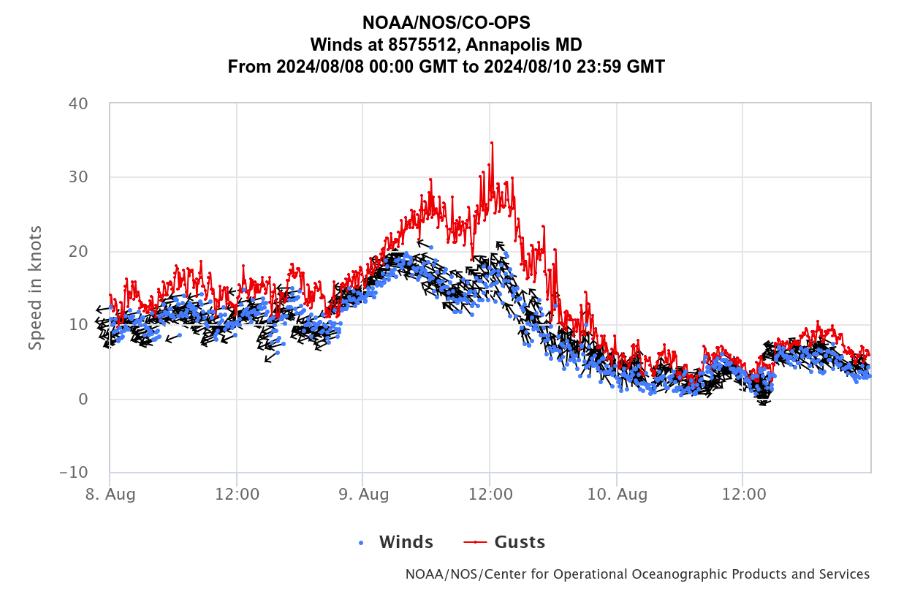
Tropical Storm Debby Case Study
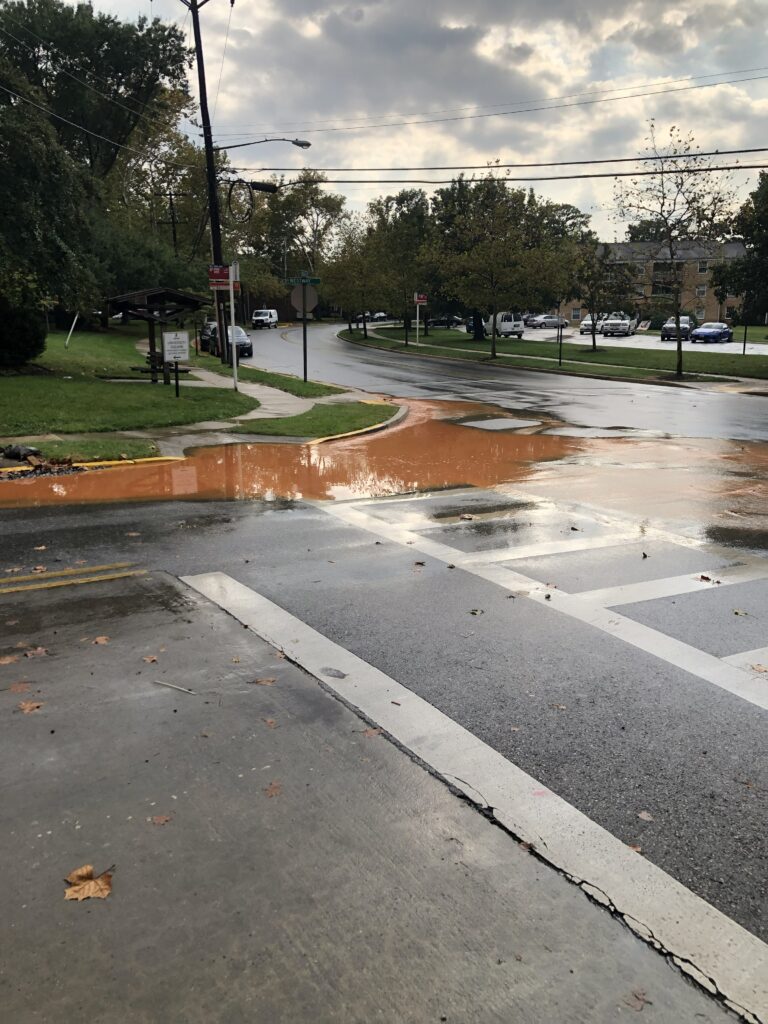
Read more: Tropical Storm Debby Case StudyWeather Events and Sea Level The Chesapeake Bay plays a vital socio-economic role in the surrounding region, contributing over $100 billion annually in economic benefits [Phillips and McGee, 2016]. However, the region faces increasing threats from sea level rise, extreme weather events, and climate change [Jay et al., 2023]. Rising sea levels and stronger storms…
Media Features
-
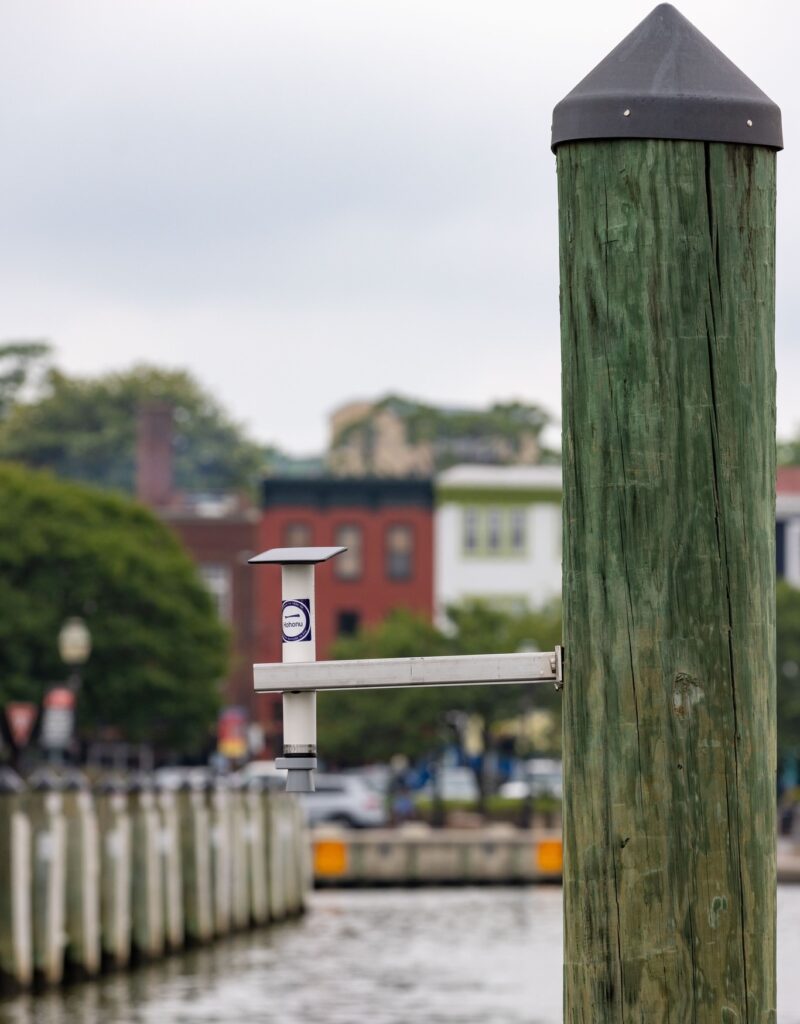
Water level station installed at Breezy Point
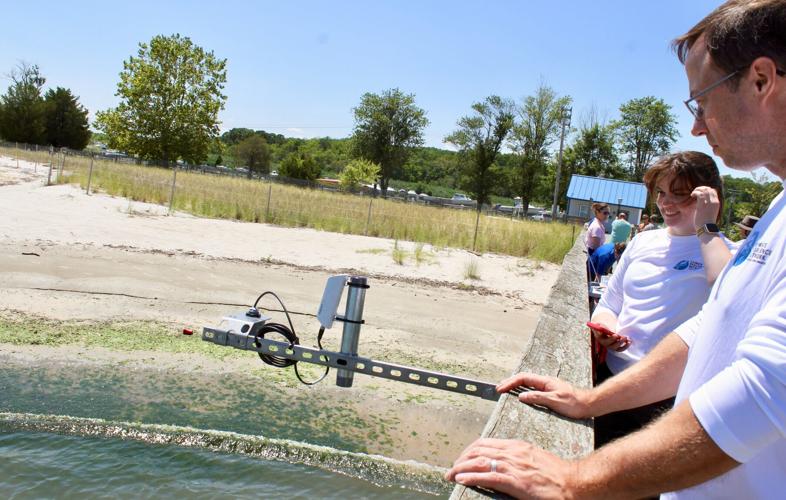
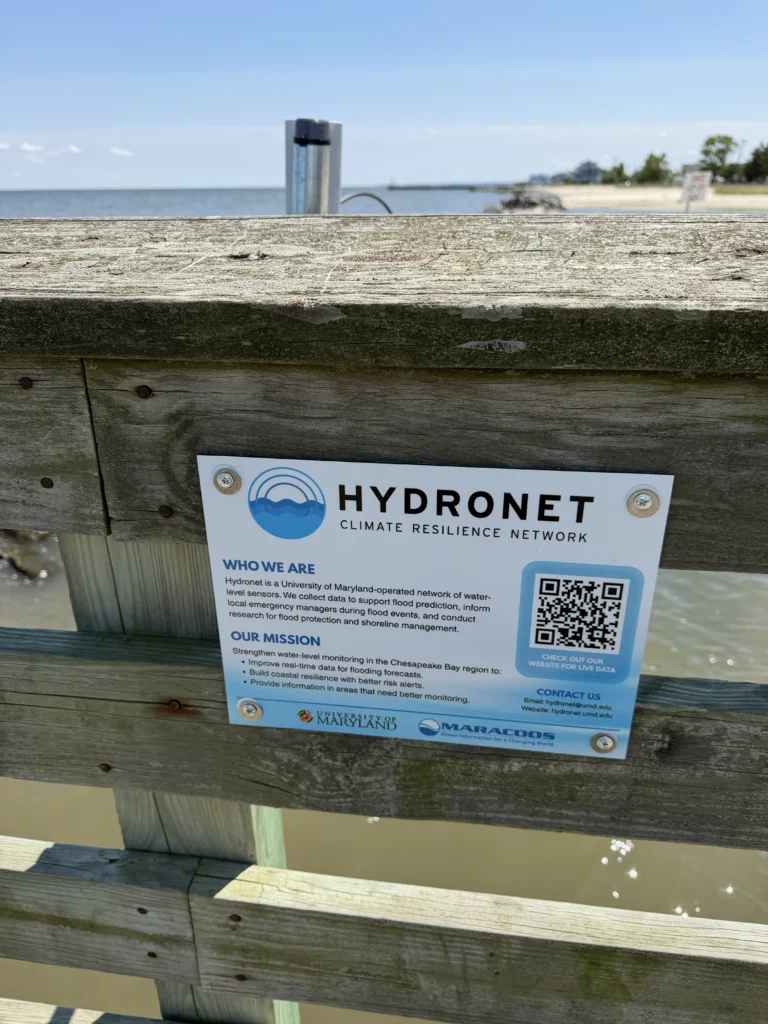
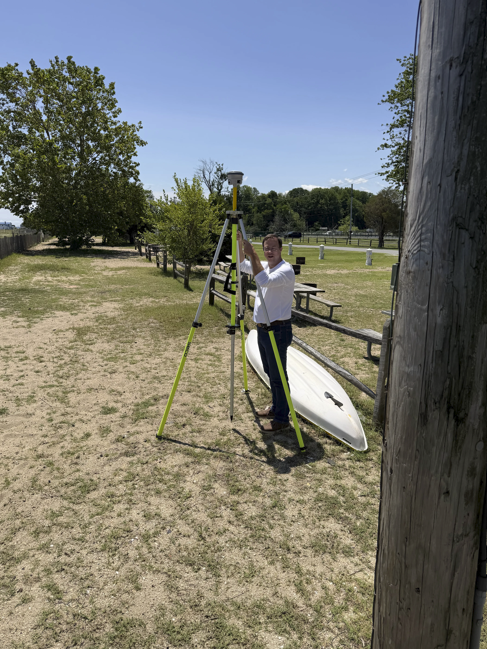
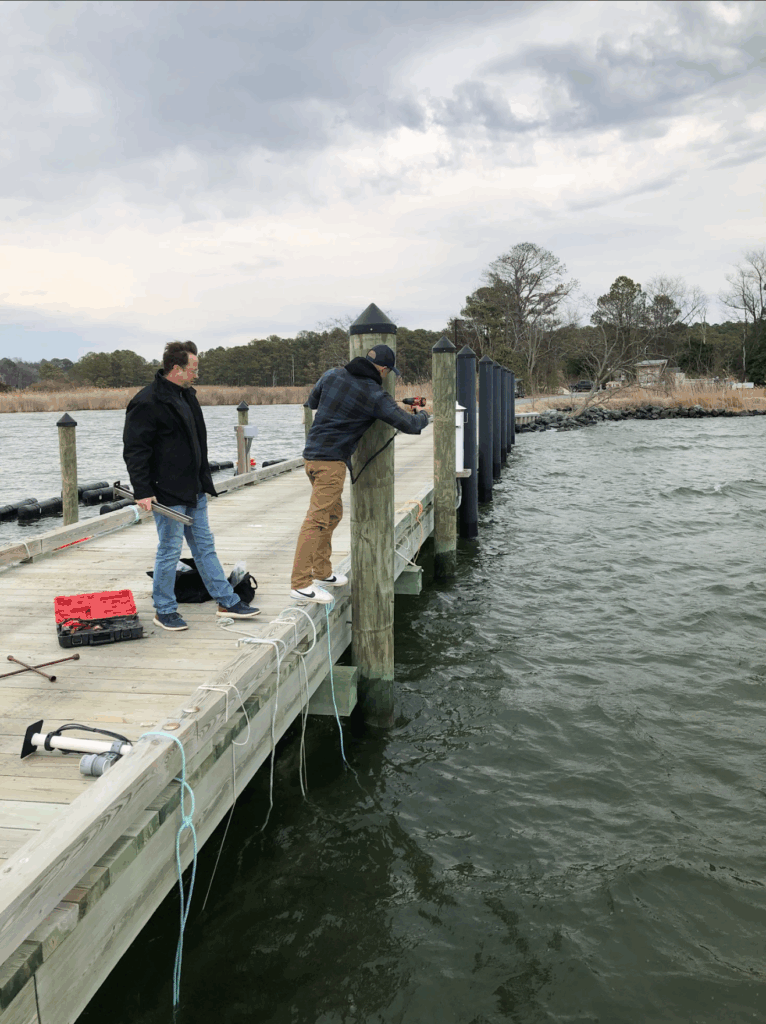
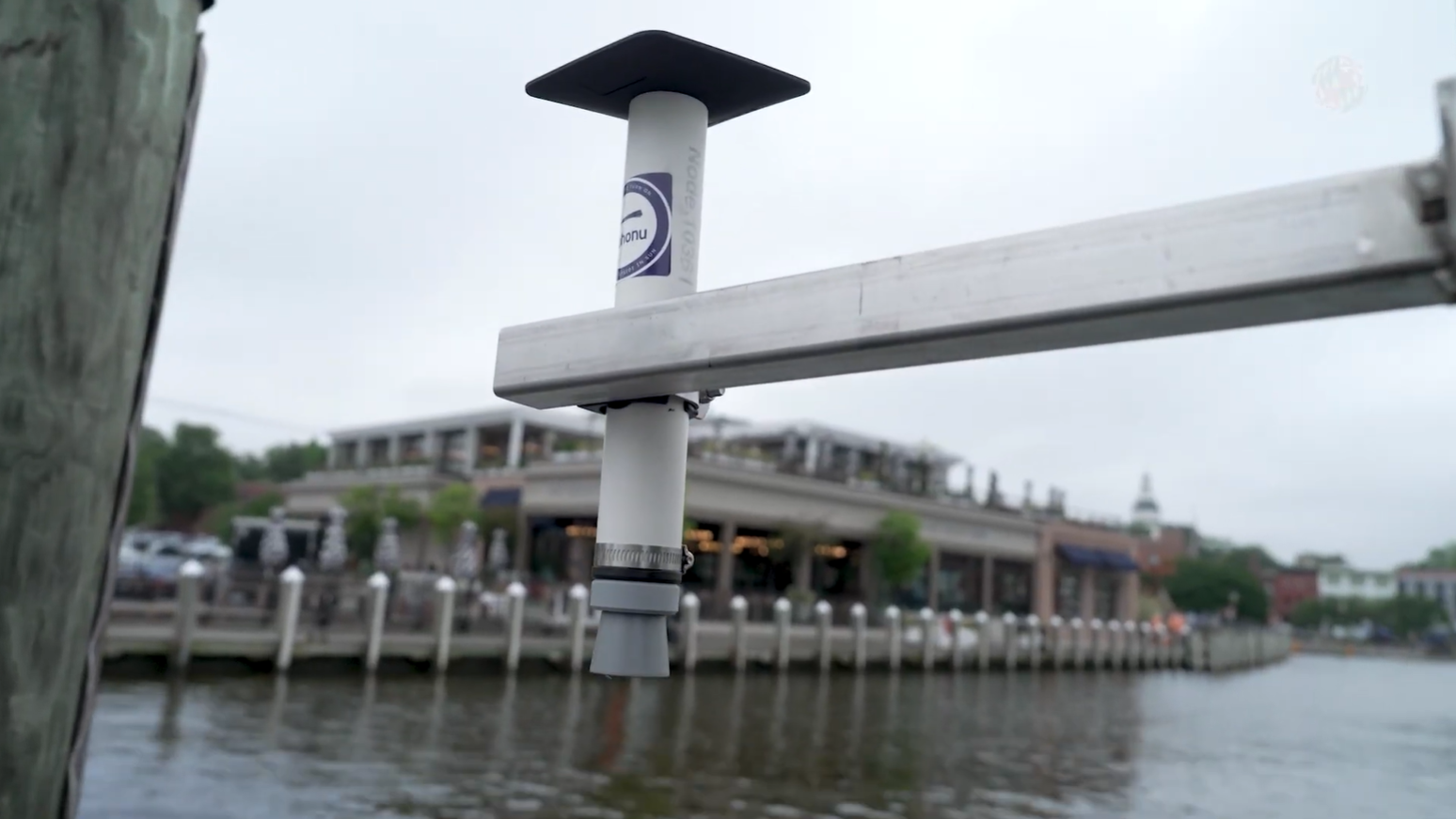
View Feature: Water level station installed at Breezy PointUniversity of Maryland and MARACOOS installed a Hydronet water-level monitoring station at the Breezy Point Beach fishing pier on July 23. The station will collect local Chesapeake Bay water-level data to improve flood monitoring and provide useful information for residents and emergency planners.
-
Grand Challenges: The Climate Resilience Network
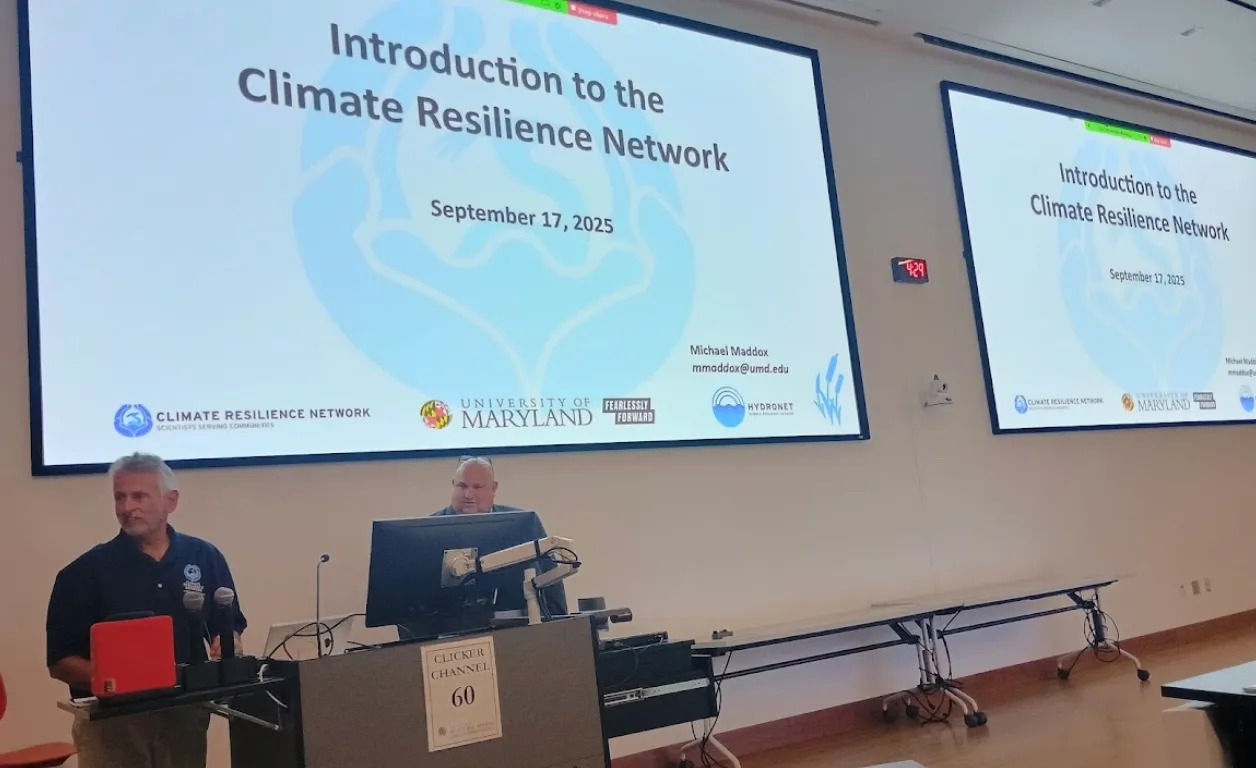
View Feature: Grand Challenges: The Climate Resilience NetworkThis Maryland Today feature highlights the Climate Resilience Network’s work to prepare Maryland communities for extreme weather, air quality challenges, and coastal flooding through projects including Mesonet and Hydronet.
-
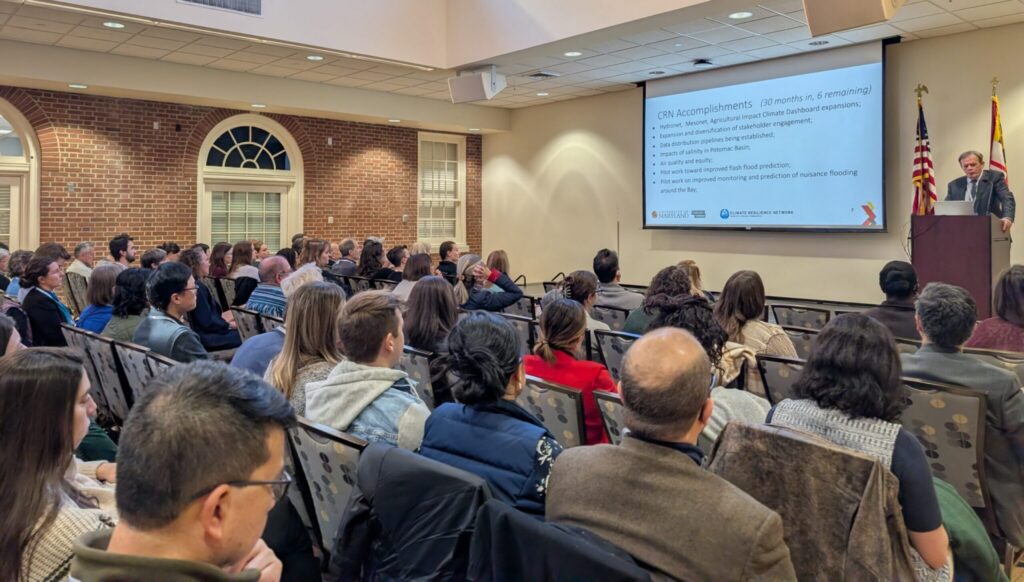
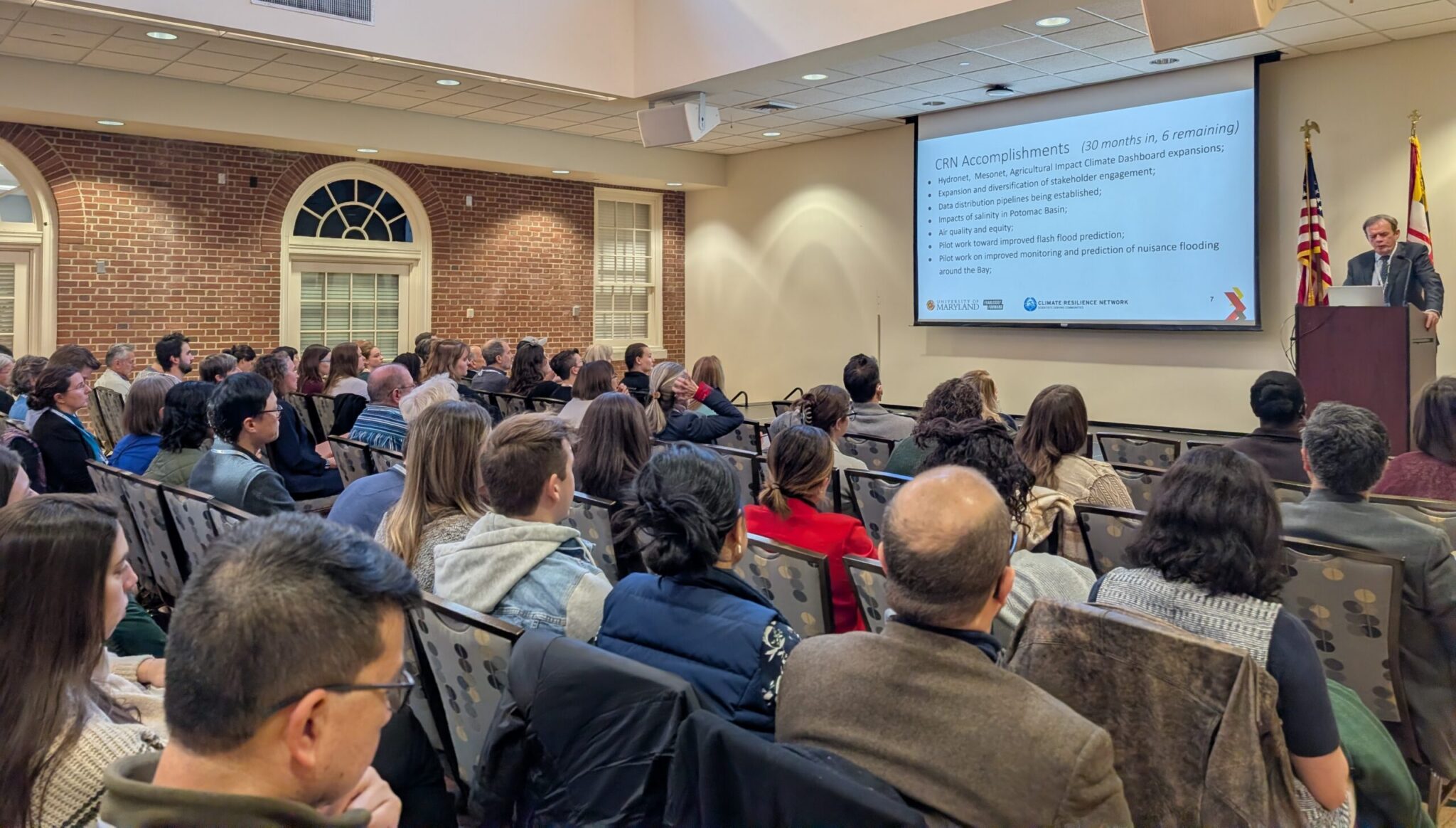
University of Maryland Hosts Maryland Community Leaders to Strengthen Climate Resilience
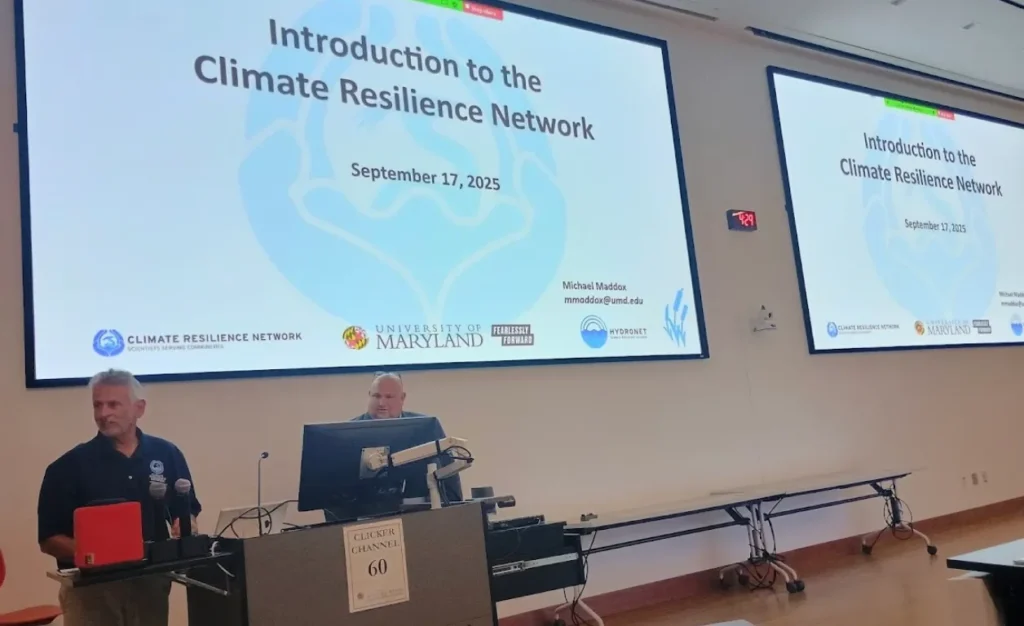
View Feature: University of Maryland Hosts Maryland Community Leaders to Strengthen Climate ResilienceESSIC highlighted the Scientists Serving Communities workshop, where researchers and Maryland community leaders gathered to connect climate science with practical resilience needs across the state.
-
UMD-Led Systems Provide Real-Time Weather, Flooding Alerts for Marylanders
View Feature: UMD-Led Systems Provide Real-Time Weather, Flooding Alerts for MarylandersThis Maryland Today story features Mesonet and Hydronet as UMD-led sensor networks providing real-time data for public safety, emergency management, forecasting, and coastal flood awareness.
-
Weather Networks Keeping Marylanders Safe
View Feature: Weather Networks Keeping Marylanders SafeThis University of Maryland feature highlights how environmental monitoring networks, including Hydronet and related UMD observation systems, help provide real-time data for public safety, emergency preparedness, and community resilience.
-
UMD’s Climate Resilience Network Tackles Maryland’s Climate Crisis
View Feature: UMD’s Climate Resilience Network Tackles Maryland’s Climate CrisisStories Beneath the Shell covered the Climate Resilience Network’s mission, including Hydronet’s role in monitoring Chesapeake Bay water levels and supporting flood warning efforts.
Sponsors
MARACOOS
We are deeply grateful to MARACOOS for their continued support in expanding Hydronet’s capacity to deliver real-time coastal water-level insights to Maryland communities. Their commitment to advancing ocean observing and coastal resilience has played a key role in strengthening our sensor network, improving data accessibility, and enabling students and researchers to work with high-quality environmental data. MARACOOS’s partnership has strengthened the foundation of Hydronet’s data infrastructure, ensuring our system remains reliable and accessible to the communities we serve.
UMD Grand Challenges
We also extend our sincere appreciation to the UMD Grand Challenges Program for empowering Hydronet to grow as an innovative platform dedicated to climate resilience. Through their support, we have been able to expand sensor deployment and more effectively connect data with on-the-ground community needs. The Grand Challenges initiative has made it possible for our team to collaborate across disciplines and develop solutions that address Maryland’s most pressing environmental challenges. Their investment in this project reflects a shared commitment to building a safe, more informed, and resilient future for all Maryland residents.
Gallery